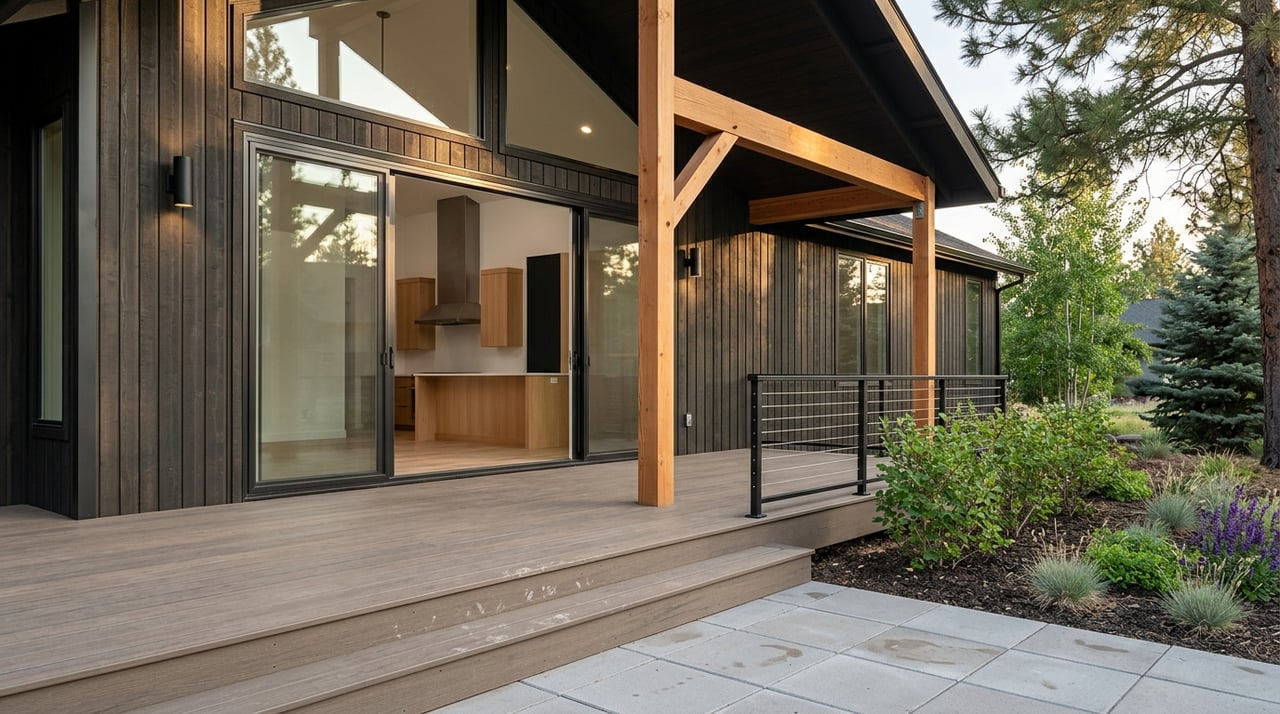
Outdoor-Focused Living In Fort Collins
June 4, 2026
June 4, 2026
If you picture Fort Collins as a place where the outdoors fit into your daily routine, not just your weekends, you are not imagining it. This city is built around natural areas, paved trails, reservoirs, and recreation spaces that make it easier to get outside in every season. If you are planning a move or narrowing your home search, understanding how outdoor access changes from one part of Fort Collins to another can help you choose a location that truly fits your lifestyle. Let’s dive in.
Outdoor access is part of Fort Collins’ basic layout. The City manages more than 50 conserved natural areas, more than 100 miles of trail, and over 114 miles of unpaved trail alone. Natural areas are open daily, and most are free to enter, with Gateway Natural Area as an exception.
That scale matters when you are deciding where to live. In Fort Collins, outdoor time does not have to mean loading up the car for a major day trip. In many parts of town, trails, open space, and recreation options are woven into everyday life.
The city also supports a wide range of recreation. In addition to hiking and biking, Fort Collins offers paddling, lap swimming, ice skating, and community fitness spaces. That gives you more ways to keep an active routine going, even when weather or trail conditions change.
If your idea of outdoor living starts with foothills access, west and southwest Fort Collins often stand out. This part of the city gives you some of the quickest routes to Horsetooth Reservoir, Horsetooth Mountain Open Space, Lory State Park, and several foothills natural areas.
Horsetooth Reservoir is one of the region’s best-known destinations. It stretches 6.5 miles across about 1,900 acres of public land and supports fishing, boating, camping, picnicking, swimming, scuba diving, and water skiing. It does require entrance and camping permits, and water levels change seasonally.
For trail access, Horsetooth Mountain Open Space is a major draw. It has 29 miles of hiking, biking, and horseback-riding trails, with connections to the Blue Sky Trail and Lory State Park trails. Nearby, Lory State Park adds another 28.1 miles of trails and supports hiking, biking, picnicking, and horseback riding.
Within the city’s natural area system, the Foothills Zone includes places like Coyote Ridge, Pineridge, Maxwell, and Reservoir Ridge. Pineridge alone has 7 miles of soft-surface trails and a loop around Dixon Reservoir. These areas help explain why the west side often feels closely tied to the foothills backdrop.
South and southeast Fort Collins tend to offer a different kind of outdoor pattern. Here, the feel leans more toward prairie landscapes, reservoir access, and long trail-corridor connections that can support walking, running, and biking close to home.
Fossil Creek Trail is a key feature in this part of town. It runs 8.5 miles to the southeast and connects with the Front Range Trail, which opens up access toward Boyd Lake State Park and the Loveland trail system. For buyers who value paved route connectivity, that can be a meaningful advantage.
Cathy Fromme Prairie is a strong example of how neighborhood access and open space overlap on the south side. It preserves shortgrass prairie and connects by paved trail to a broader corridor that links toward Spring Canyon Park and Pineridge. That means you can get both scenery and useful trail continuity in the same part of town.
Fossil Creek Reservoir Natural Area and Fossil Creek Wetlands add to the south-side outdoor mix. Fossil Creek Reservoir spans 1,398 acres and is known as a birding destination, though access is hiking only. Fossil Creek Wetlands offers a short paved segment and neighborhood access, but no trailhead parking.
If you want outdoor access that feels built into daily errands and routines, central and north Fort Collins may be especially appealing. This part of the city is strongest for river access, paved trail use, and smaller natural areas closer to neighborhoods.
The Poudre Trail is one of the city’s signature paved corridors. It runs 12.3 miles along the river, while Spring Creek Trail adds another 6.6 miles running west to east across town. These routes can make biking, running, and walking feel less like a special outing and more like part of everyday life.
The Poudre River Zone includes 22 natural areas and more than 2,000 acres along the river, with 40 miles of paved and soft-surface trails. The Urban Zone adds 10 smaller natural areas totaling more than 250 acres. Together, they help create that close-to-home outdoor feel in many central and north Fort Collins areas.
The Spring Creek Trail also connects sites such as Tanglewood, Ross, Mallard’s Nest, and The Coterie. That network is a good reminder that in Fort Collins, some of the most useful outdoor access is not only about major destinations. It is also about how smaller sites connect to where you live.
East and northeast Fort Collins can be a practical fit if you want easy paved-bike access and reliable indoor recreation nearby. This area is especially convenient for households who want to stay active year-round without relying only on foothills trailheads.
The Power Trail starts at EPIC and runs south to Trilby Road. That gives this side of town a strong connection to city bike infrastructure and makes it easier to build outdoor activity into your routine.
EPIC also plays a big role here. The city describes it as the region’s premier ice and aquatics facility, and it receives more than 1 million visits each year. For many buyers, that indoor backup matters just as much as trail access, especially during winter, summer heat, or rainy stretches.
For many buyers relocating to Fort Collins, the foothills are the headline attraction. Horsetooth Reservoir, Horsetooth Mountain Open Space, Lory State Park, and nearby foothills natural areas create a cluster of recreation options west of town.
This cluster supports a wide range of activities, from hiking and mountain biking to boating and swimming. If that is the lifestyle you want most often, your home search may benefit from focusing on west or southwest locations that shorten the drive and make early starts easier.
The river and paved trail system shape daily outdoor life across much of Fort Collins. The Poudre Trail, Spring Creek Trail, and Fossil Creek Trail each serve different parts of town, and together they create strong citywide connectivity.
If you enjoy biking to clear your head, going for a quick run after work, or walking without driving to a trailhead first, these corridors can be just as important as the bigger destination parks. In many cases, they are what make a location feel convenient day after day.
Some natural areas in Fort Collins are designed more for conservation-focused visits than all-purpose recreation. Cathy Fromme Prairie, Bobcat Ridge, and Fossil Creek Reservoir are good examples of places where the setting and rules shape the experience.
Bobcat Ridge offers 20 miles of trail and views toward Horsetooth Mountain, but it is on-trail only and dogs are not allowed. Fossil Creek Reservoir is hiking only and does not allow dogs, bikes, horses, or water recreation. These details matter when you are comparing locations and picturing how you will actually use nearby open space.
An outdoor-focused lifestyle in Fort Collins is not limited to fair-weather days. The city has an indoor recreation layer that includes EPIC, City Park Pool, Mulberry Pool, Foothills Activity Center, and Northside Aztlan Community Center.
That backup can make a real difference. Mulberry Pool is open year-round, while City Park Pool offers summer features like a waterslide, geysers, and a lazy river. If you want flexibility for kids’ activities, lap swimming, fitness routines, or ice skating, indoor amenities can shape your quality of life just as much as nearby trails.
Not every outdoor destination functions the same way at peak times. The City notes that weekends are busiest at natural areas, especially from 9 a.m. to 5 p.m. At Horsetooth Mountain, summer visitors are advised to arrive before 9 a.m. or after 3 p.m. for a better chance at parking.
If you are serious about frequent trail use, think about how much convenience matters to you. Living closer to a preferred access point can save time and make spontaneous outings much easier.
Rules vary widely by location. Dogs are allowed at most natural areas, but not all. The City specifically lists Bobcat Ridge, Coyote Ridge, Fossil Creek Reservoir, and Soapstone Prairie as no-dog areas.
Access levels also vary by site, which is important if you are prioritizing paved surfaces, lower-impact routes, or accessible facilities. A location that looks close on a map may not match how you want to use it.
Fort Collins offers outdoor access year-round, but conditions still shape the calendar. The City warns that the Poudre River is high, fast, and very cold in May and June. Lory State Park regularly closes muddy trails to prevent erosion, and the area can face wildfire, flooding, severe snowstorms, extreme heat, and lightning.
For buyers, this is a good reminder to think in all seasons. The best location for you may be one that balances summer trail access with practical winter or weather-day options.
The paved trail system comes with a few key guidelines. Fort Collins keeps paved trails open during the same hours as public parks, asks cyclists to follow a 15 mph courtesy limit, and allows Class 1 and Class 2 e-bikes on paved trails, but not on natural-surface trails.
If biking is part of your routine, these details can help you picture how the system works in daily life. They also show how well-organized the city’s outdoor infrastructure really is.
In Fort Collins, outdoor living is not one-size-fits-all. West and southwest areas tend to be the best match for buyers who want fast foothills access. South and southeast areas often fit people who want prairie views, reservoirs, and long paved trail connections, while central and north areas stand out for river access and neighborhood-scale green space.
East and northeast Fort Collins can make a lot of sense if you want strong paved-bike connections and dependable indoor recreation nearby. The right fit depends on how you actually like to spend your time, not just which destination sounds best on paper.
A thoughtful home search should connect your floor plan and budget with your day-to-day lifestyle. If outdoor access is part of that equation, Fort Collins gives you real options. The key is knowing which part of the city lines up with the version of outdoor living you want most.
If you want help finding the right Fort Collins neighborhood for your routine, goals, and budget, The Sledge | Kolo Group offers a no-pressure, local approach to help you make a confident move.
Stay up to date on the latest real estate trends.

I believe in being a “no pressure” Real Estate Agent who will work within your time frame to achieve your real estate goals. I work hard to provide the best service possible for my clients so that they will consider me not only their friend but their Real Estate Agent for life.